Parkinson ChilePARKINSON CHILEUnderstand more. Live better.
Page 01 of 26

English edition

Parkinson’s Guide for Chile

Reliable information for a better life

A clear, practical and human guide for people living with Parkinson’s, their families and those who support them.

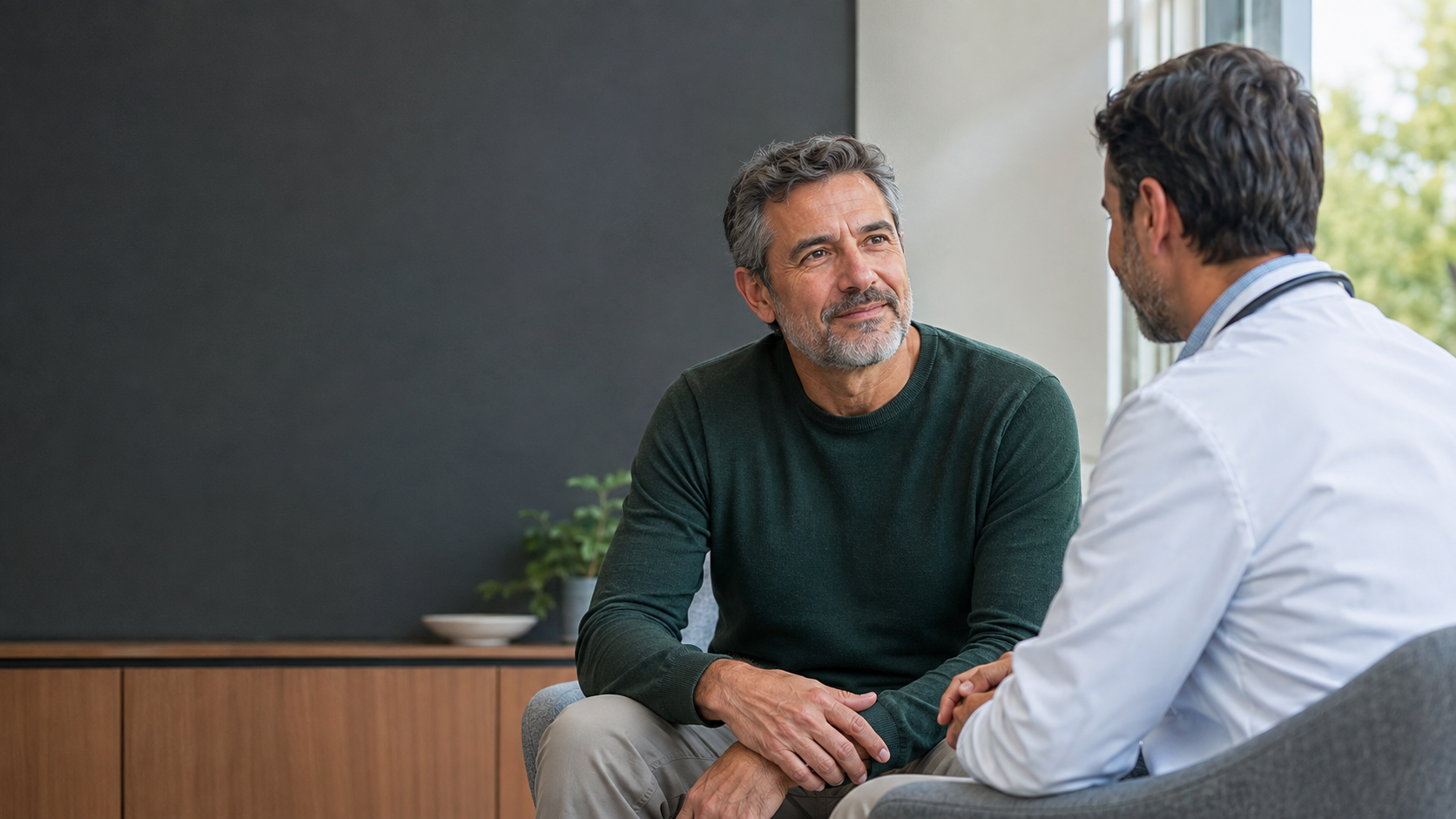
An adult patient speaking with a healthcare professional
Section 01 · Meet us

Who we are

Our story, purpose and the people behind Parkinson Chile.

Back to index ↑
Page 02 of 26Parkinson Chile
Who we are

About Parkinson Chile

An independent, non-profit educational guide created in Chile.

  • Founded on 3 August 2023 by Diego Figueroa and Andrés Vielva.
  • Our purpose is to make reliable information easier to understand and use.
  • Information, community and mutual support can help people live better.
Page 03 of 26Parkinson Chile
Who we are

Contact

We welcome suggestions, corrections and collaboration.

  • Email: contacto@parkinsonchile.org
  • Phone and WhatsApp: +56 9 9522 0884
  • This guide does not replace professional medical advice.
Official website
Section 02 · Understand

What is Parkinson’s?

A clear introduction to the disease and how it can affect everyday life.

Back to index ↑
Page 04 of 26Parkinson Chile
What is Parkinson’s?

What is Parkinson’s disease?

A progressive neurological condition that affects movement and many non-motor functions.

  • It is linked to the loss of dopamine-producing cells in the brain.
  • Symptoms and progression vary greatly from one person to another.
  • Parkinson’s is not only tremor and it is not a normal part of ageing.
Section 03 · Recognize

Diagnosis

Symptoms, clinical assessment and informed next steps.

Back to index ↑
Page 05 of 26Parkinson Chile
Diagnosis

Symptoms: much more than tremor

Parkinson’s may combine motor and non-motor symptoms.

  • Slowness, stiffness, tremor, balance and gait changes are common motor signs.
  • Sleep, mood, constipation, pain, fatigue, smell and cognition may also change.
  • No two people experience the same combination or intensity of symptoms.
Page 06 of 26Parkinson Chile
Diagnosis

Diagnosis: understanding the process

Diagnosis is mainly clinical and should be made by an experienced neurologist.

  • History, neurological examination and response to medication are central.
  • There is no single blood test or scan that confirms every case.
  • A movement-disorders neurologist can help when the presentation is uncertain.
Page 07 of 26Parkinson Chile
Diagnosis

Treatment: a personalized plan

Treatment aims to improve function, safety and quality of life.

  • Medication, exercise and rehabilitation work together.
  • The plan changes over time according to symptoms, goals and side effects.
  • Advanced therapies such as DBS require specialist multidisciplinary assessment.
Page 08 of 26Parkinson Chile
Diagnosis

Living with Parkinson’s

A diagnosis changes part of the journey, but it does not define the whole person.

  • Reliable information supports better decisions.
  • Movement and rehabilitation help preserve function.
  • Family, peers and professionals form an essential support network.
Section 04 · Support

Living with Parkinson’s

Medication, movement, nutrition and daily independence.

Back to index ↑
Page 09 of 26Parkinson Chile
Living with Parkinson’s

Medication: what to understand

The right dose at the right time must always be individualized.

  • Levodopa remains the most effective treatment for many motor symptoms.
  • Record ON/OFF periods, dyskinesia and side effects.
  • Do not change doses or schedules without the treating team.
Page 10 of 26Parkinson Chile
Living with Parkinson’s

Exercise: an essential treatment

Consistency, challenge and safety are the foundations of an effective programme.

  • Combine aerobic activity, strength, balance, agility and flexibility.
  • A flexible goal is about 150 minutes of moderate-to-vigorous activity per week.
  • Start from your real level and progress with professional guidance when needed.
Page 11 of 26Parkinson Chile
Living with Parkinson’s

Nutrition and Parkinson’s

No diet cures Parkinson’s, but good nutrition supports health and treatment.

  • Prioritize vegetables, fruit, whole grains, quality protein and healthy fats.
  • Fibre and fluids can help constipation.
  • Protein timing may affect levodopa in some people and should be discussed clinically.
Page 12 of 26Parkinson Chile
Living with Parkinson’s

Daily life: preserving independence

Anticipating, adapting and asking for support can make daily activities safer.

  • Plan demanding activities during your best ON periods.
  • Occupational, physical and speech therapy can offer practical solutions.
  • Review driving, falls, swallowing, sleep, mood and caregiver strain regularly.
Section 05 · Navigate

Parkinson’s in Chile

Healthcare pathways, rights, specialist centres and community resources in Chile.

Back to index ↑
Page 13 of 26Parkinson Chile
Parkinson’s in Chile

Parkinson’s is GES condition No. 62

Chile’s Explicit Health Guarantees define access, timeliness, financial protection and quality standards.

  • Start through the health network that corresponds to your insurance.
  • Confirm current deadlines and covered services with the responsible institution.
  • GES does not replace individualized clinical decisions.
Page 14 of 26Parkinson Chile
Parkinson’s in Chile

A practical care pathway

A simple route from first concern to continuing specialist care.

  • Primary assessment and referral when symptoms suggest Parkinson’s.
  • Neurology evaluation, treatment plan and regular follow-up.
  • Rehabilitation and multidisciplinary support according to need.
Page 15 of 26Parkinson Chile
Parkinson’s in Chile

Rights, benefits and support

Different procedures assess disability and function under different rules.

  • A diagnosis does not automatically grant a disability card or pension.
  • The National Disability Registry may open access to specific benefits.
  • Always confirm current requirements before beginning an application.
Page 16 of 26Parkinson Chile
Parkinson’s in Chile

Disability rights and procedures

How disability is assessed and formally certified in Chile.

  • Gather clinical and functional reports that describe real-life impact.
  • COMPIN evaluates disability certification under current rules.
  • Registration and individual benefits are separate processes.
Page 17 of 26Parkinson Chile
Parkinson’s in Chile

Driving and disability pensions

Practical criteria for safe, informed decisions.

  • Driving ability depends on function, cognition, vision, sleepiness and medication effects.
  • A disability pension is not automatic early retirement.
  • Medical reports support—but do not replace—the formal assessment.
Page 18 of 26Parkinson Chile
Parkinson’s in Chile

Where to find reliable information

Use official and recognized clinical sources.

  • Ministry of Health and the Superintendence of Health for Chilean guarantees.
  • Recognized Parkinson’s organizations for symptoms, exercise and daily life.
  • Check publication dates and distinguish evidence from advertising.
Page 19 of 26Parkinson Chile
Parkinson’s in Chile

Medical centres in Chile

Public and private programmes with reported experience in Parkinson’s and DBS.

  • Compare the multidisciplinary team, candidate selection and follow-up pathway.
  • Published surgical volumes are incomplete and should be confirmed directly.
  • Continuity of programming and rehabilitation matters as much as surgery.
Page 20 of 26Parkinson Chile
Parkinson’s in Chile

Patient groups in Chile

Regional spaces for orientation, companionship and community life.

  • Confirm current activity, responsible moderators and privacy practices.
  • Patient groups complement—but do not replace—professional care.
  • Avoid sharing sensitive information before checking how the group operates.
Page 21 of 26Parkinson Chile
Parkinson’s in Chile

Parkinson’s accounts on Instagram

A curated guide to clinicians, therapists, researchers and organizations.

  • Social media can support education and community.
  • Popularity is not proof of clinical quality.
  • Verify credentials and never change treatment based only on a post.
Section 06 · Explore

Parkinson’s around the world

International centres, organizations, research and public figures.

Back to index ↑
Page 22 of 26Parkinson Chile
Parkinson’s around the world

Parkinson’s around the world

Global knowledge grows through collaboration between patients, clinicians and researchers.

  • International networks support research and professional education.
  • Access and models of care differ greatly between countries.
  • Global examples should be interpreted in the context of Chilean care.
Page 23 of 26Parkinson Chile
Parkinson’s around the world

Ten international reference centres

Institutions recognized for specialist programmes, advanced therapies and research.

  • Includes centres in the United States, Canada, Europe and Latin America.
  • This is an informative selection, not a ranking.
  • Every treatment—including DBS—requires individualized specialist assessment.
Page 24 of 26Parkinson Chile
Parkinson’s around the world

Before contacting an international centre

Prepare a focused clinical summary and clear questions before travelling.

  • Include diagnosis, symptoms, medication schedule, levodopa response and recent tests.
  • Ask whether an initial remote review is possible.
  • Clarify total cost, follow-up and who will provide care after returning to Chile.
Page 25 of 26Parkinson Chile
Parkinson’s around the world

International Parkinson’s organizations

Organizations advancing research, education, advocacy and patient support.

  • WHO, MDS, Parkinson’s Foundation and The Michael J. Fox Foundation are key references.
  • Regional organizations offer locally relevant support and advocacy.
  • Use official websites for current programmes and evidence-based resources.
Page 26 of 26Parkinson Chile
Parkinson’s around the world

International figures with Parkinson’s

Public stories that have increased awareness and supported research.

  • Michael J. Fox, Muhammad Ali, Carly Simon and Alan Alda are among the best-known examples.
  • Their experiences show the diversity of life with Parkinson’s.
  • A public story never predicts another person’s progression or treatment response.